
What Happens During A Surgical Abortion?
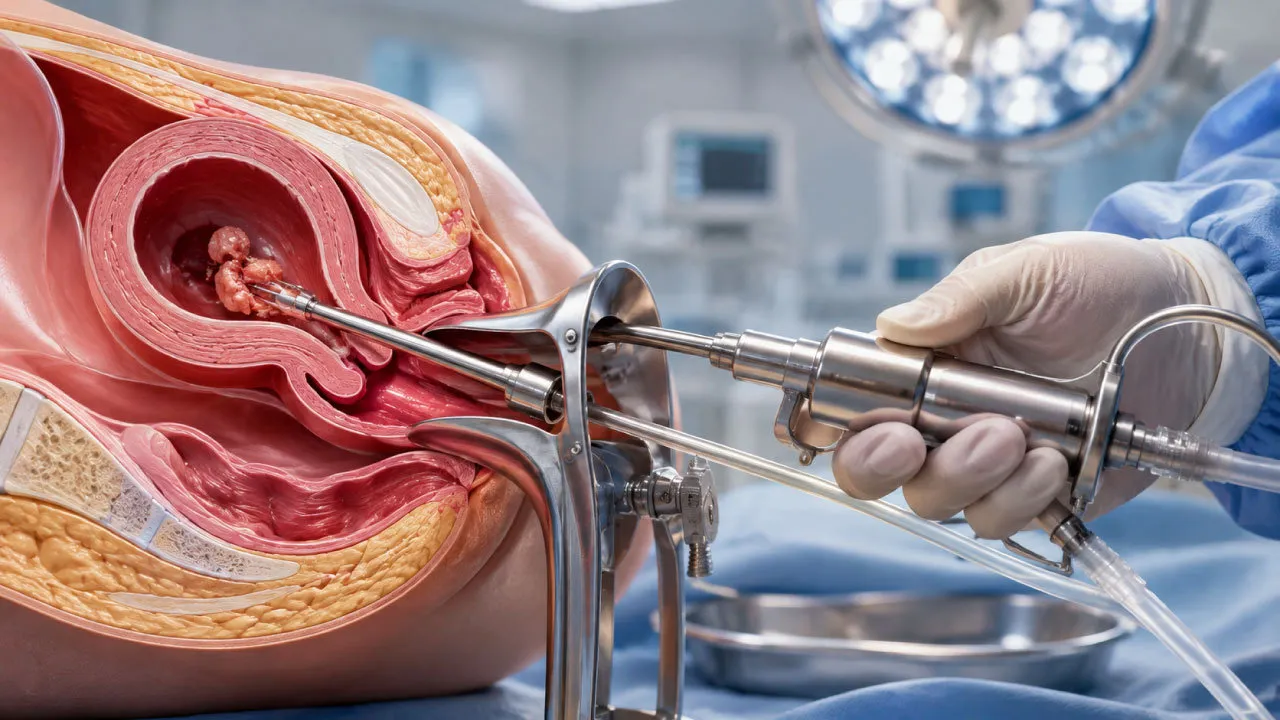
Hearing the words "surgical abortion" can feel intimidating, especially if you've never had a medical procedure before. Many women imagine something much more complicated than it actually is. In reality, a surgical abortion is a commonly performed medical procedure that is designed to safely end a pregnancy under the care of a qualified healthcare professional.
If your doctor has recommended a surgical abortion or you're exploring your options, you probably have several questions. Will it hurt? How long does it take? Will I be awake? How soon can I return to my normal routine?
Understanding what happens before, during, and after the procedure can help ease some of the uncertainty and allow you to make an informed decision about your care.
What Is A Surgical Abortion?
A surgical abortion is a medical procedure used to end a pregnancy. Unlike a medical abortion, which involves taking prescribed medications, a surgical abortion removes the pregnancy tissue through a carefully performed procedure.
The exact technique used depends on how far along the pregnancy is. Your gynecologist will recommend the most appropriate method based on your gestational age, medical history, and overall health.
When performed by an experienced healthcare provider using established medical guidelines, surgical abortion is considered a safe and effective procedure.
When Is A Surgical Abortion Recommended?
A surgical abortion may be recommended for several reasons, including:
- The pregnancy has progressed beyond the stage where medications are appropriate.
- Medical abortion is not suitable because of certain medical conditions.
- A previous medical abortion was incomplete.
- The patient prefers a procedural option.
- Immediate completion of the pregnancy termination is medically advised.
Your gynecologist will discuss all available options before recommending a treatment plan.
Preparing For The Procedure
Before the procedure, your doctor will perform a detailed evaluation to ensure the safest possible care.
This usually includes:
- Reviewing your medical history
- Confirming the pregnancy
- Determining the gestational age
- Performing an ultrasound if needed
- Blood tests when appropriate
- Discussing the procedure and obtaining informed consent
- Explaining possible risks, benefits, and recovery
This appointment is also an opportunity to ask questions and discuss any concerns you may have.
What Happens On The Day Of The Procedure?
When you arrive, the healthcare team will review your medical information, explain the procedure once again, and answer any last-minute questions.
Depending on the type of procedure and your individual circumstances, you may receive:
- Local anesthesia
- Sedation
- Regional anesthesia
- General anesthesia, when appropriate
Your doctor will recommend the option that is safest and most suitable for you.
What Happens During A Surgical Abortion?
The exact steps vary depending on the stage of pregnancy, but the procedure generally follows a similar process.
After anesthesia or sedation is administered, the cervix may be gently prepared if necessary. Specialized medical instruments are then used to remove the pregnancy tissue from the uterus using established techniques.
Throughout the procedure, your healthcare team carefully monitors your comfort and safety.
Most surgical abortions are completed within a relatively short period, although the total time spent at the healthcare facility will be longer because of preparation and recovery.
Will The Procedure Be Painful?
Pain is one of the biggest concerns women have before the procedure.
Because anesthesia or pain management is used, most women experience little or no pain during the procedure itself. Some cramping afterward is common and is often similar to menstrual cramps.
Your doctor may recommend pain relief medications to help manage any discomfort during recovery.
What Happens After The Procedure?
Once the procedure is complete, you'll be taken to a recovery area where healthcare professionals will monitor you for a short time.
Before you go home, your healthcare team will make sure:
- Your vital signs are stable.
- Bleeding is within the expected range.
- You understand your discharge instructions.
- You know when to return for follow-up care.
Most patients are discharged the same day.
What Is Recovery Like?
Recovery is usually straightforward, although every woman's experience is different.
It's common to experience:
- Mild to moderate cramping
- Light bleeding or spotting
- Fatigue
- Mild emotional changes
Many women return to their normal daily routine within a day or two, although strenuous exercise and certain activities may need to be avoided for a short period.
Following your doctor's instructions can help support a smooth recovery.
When Should You Contact Your Doctor?
Although serious complications are uncommon, it's important to seek medical attention if you experience:
- Heavy bleeding that soaks multiple sanitary pads in a short period
- Severe abdominal pain that isn't relieved with medication
- Persistent fever or chills
- Foul-smelling vaginal discharge
- Dizziness or fainting
- Symptoms that continue to worsen instead of improving
Prompt medical evaluation allows any concerns to be addressed quickly.
Can A Surgical Abortion Affect Future Fertility?
This is one of the most common concerns patients have.
When performed safely by a qualified healthcare professional, a surgical abortion generally does not affect future fertility. Most women are able to become pregnant again if they choose to in the future.
If you're planning another pregnancy later or would like to avoid pregnancy for now, your gynecologist can discuss family planning and contraception options during your follow-up visit.
Taking Care Of Yourself Afterward
Recovery isn't just about healing physically. It's also important to give yourself time emotionally.
Some women feel relieved after the procedure, while others may experience sadness, uncertainty, or mixed emotions. Every response is valid, and there's no right or wrong way to feel.
Don't hesitate to reach out to your healthcare provider if you have concerns about your emotional well-being. Support is available whenever you need it.
Knowledge Can Make The Experience Less Overwhelming
Facing a surgical abortion can feel overwhelming, especially when you're unsure of what to expect. Learning about the procedure, understanding your options, and asking questions can make the experience feel less intimidating.
Remember, you're not expected to navigate this decision alone. A compassionate gynecologist can guide you through every step, answer your concerns honestly, and help you receive care that's safe, respectful, and centered around your individual needs.
Get Expert Guidance From Dr. Mansi Gupta
If you're considering a surgical abortion or have questions about your pregnancy options, consult Dr. Mansi Gupta for confidential, compassionate, and personalized care. She will help you understand the procedure, discuss your options, and support you throughout your treatment with a focus on your safety, comfort, and well-being.
Frequently Asked Questions
Q: How long does a surgical abortion take?
A: The procedure itself is usually completed within a short time, although you'll spend additional time at the healthcare facility for preparation and recovery.
Q: Will I be awake during the procedure?
A: That depends on the type of anesthesia or sedation recommended. Your gynecologist will explain which option is most appropriate for your situation.
Q: Is a surgical abortion painful?
A: Most women experience little or no pain during the procedure because anesthesia or pain management is used. Mild cramping afterward is common.
Q: How long does recovery take?
A: Many women return to their usual routine within a day or two, although your doctor may recommend avoiding strenuous activities for a short period.
Q: Will a surgical abortion affect my ability to have children later?
A: When performed safely by a qualified healthcare professional, surgical abortion generally does not affect future fertility.
Q: When should I seek medical attention after the procedure?
A: Contact your doctor if you experience heavy bleeding, severe pain, persistent fever, foul-smelling discharge, dizziness, or any symptoms that concern you.